
Service
Powering What's Next
Backup and resilient power for a changing grid: AI and edge compute loads, battery storage, and EV charging across the Berkshires, from Andrus Power Solutions.
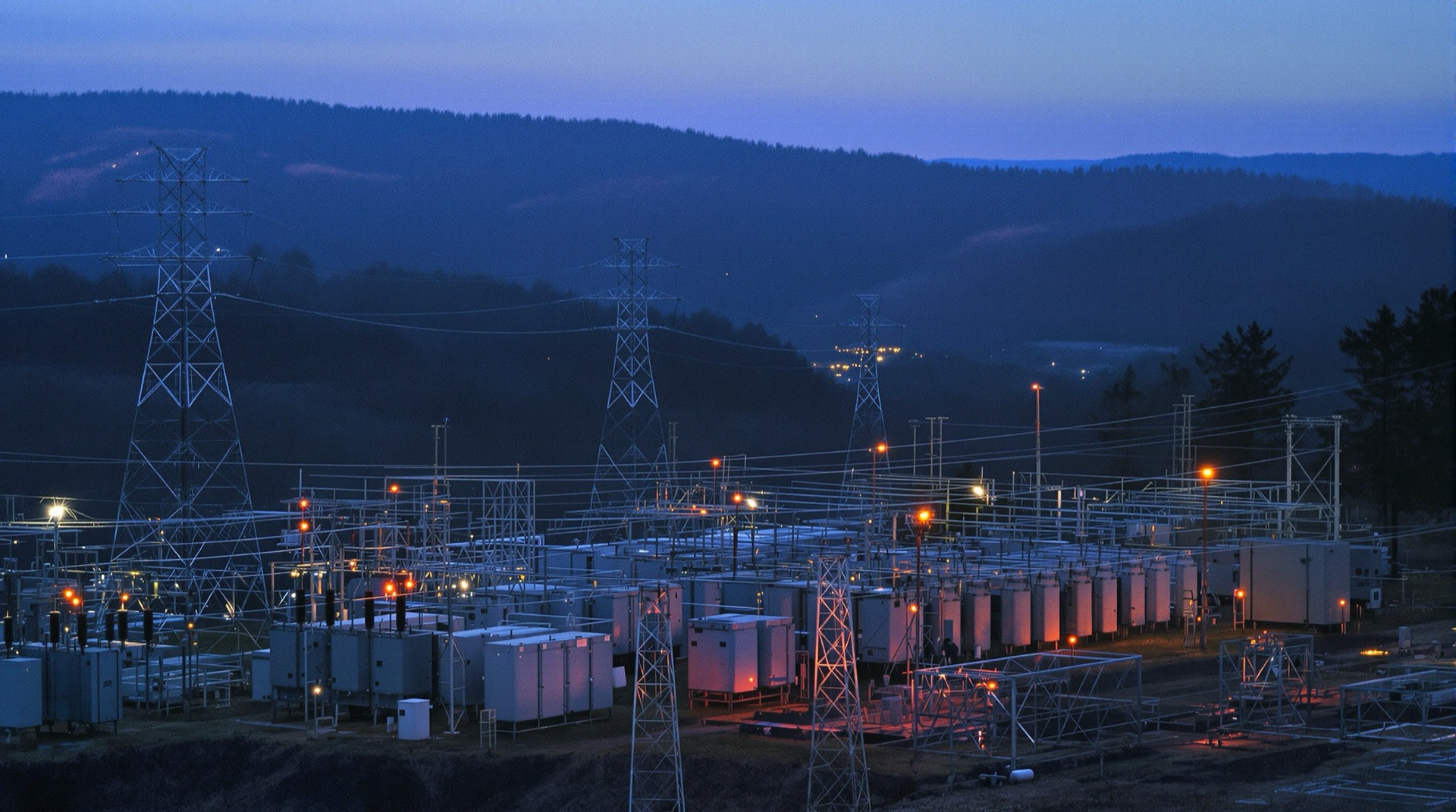

The way homes and businesses use electricity is changing.
Emerging technologies such as artificial intelligence, battery storage, electric vehicles, distributed computing, and grid modernization are creating new demands on electrical infrastructure throughout New England.
For more than 30 years, Andrus Power Solutions has helped customers adapt to changing energy needs through electrical upgrades, standby power solutions, utility coordination, and critical infrastructure planning. Today, we’re actively monitoring and evaluating the technologies that will shape the future of power generation, distribution, and consumption.
As these technologies continue to evolve, our goal remains the same: helping customers build resilient, reliable, and future-ready electrical systems.
Artificial Intelligence & Distributed Computing
Artificial intelligence is driving unprecedented demand for computing power and electrical infrastructure.
While large-scale data centers continue to expand, emerging technologies are exploring distributed computing models that may place computing equipment closer to homes, businesses, and local communities. These systems have the potential to create new opportunities for property owners while increasing demand for electrical capacity, backup power, battery storage, and utility coordination.
As the market develops, Andrus Power Solutions is actively tracking developments in AI infrastructure and helping customers understand how evolving technologies may impact their electrical systems.
Andrus Power Solutions is a SPAN Authorized Installer (License #17321), a certification required to install and commission SPAN smart panels, which serve as the foundation for distributed AI compute deployments at residential and commercial properties.
Electric Vehicle Infrastructure
The continued growth of electric vehicles is reshaping residential and commercial electrical requirements.
From home charging stations to commercial fleet infrastructure, EV adoption often requires electrical planning, service upgrades, and long-term infrastructure considerations.
Grid Modernization & Energy Resilience
Utilities throughout the country are investing in grid modernization to support increasing electrical demand and improve reliability.
At the same time, businesses and property owners are evaluating how future technologies, including artificial intelligence, distributed computing, and electrification, may impact their facilities and long-term energy requirements.
Understanding these changes is becoming increasingly important as power infrastructure continues to evolve.
Standby Power & Critical Infrastructure
As power demands increase, reliable backup power is becoming more important than ever.
From healthcare facilities and municipalities to manufacturers and commercial properties, organizations depend on resilient electrical infrastructure to keep operations running during utility outages. Andrus Power Solutions provides generator installation, transfer switch installation, electrical upgrades, and ongoing maintenance services to help customers prepare for unexpected disruptions.
As emerging technologies continue to place additional demands on the electrical grid, standby power solutions remain a critical component of long-term infrastructure planning.
Frequently asked questions
What is a residential data center?
A residential data center is a small-scale computing installation located at a home or residential property. Emerging AI technologies are creating demand for distributed computing infrastructure, allowing computing equipment to be placed closer to end users rather than relying solely on large centralized data centers. While the industry is still in its early stages, some pilot programs are exploring whether homeowners can host AI computing equipment in exchange for financial incentives or other benefits.
What is AI infrastructure?
AI infrastructure refers to the computing, networking, cooling, and electrical systems required to support artificial intelligence applications. As AI adoption continues to grow, demand for reliable electrical infrastructure, backup power, and energy management solutions is increasing.
How much power does a residential AI data center use?
Power requirements vary depending on the equipment being deployed. Some systems may consume power comparable to several HVAC systems running continuously, while larger installations may require significant electrical upgrades. Electrical demand is expected to be one of the primary considerations for future residential and commercial AI deployments.
Can a home electrical system support AI infrastructure?
It depends on the home's existing electrical service and available capacity. Many properties may require load evaluations, panel upgrades, or service upgrades before supporting additional computing equipment.
Will I need a service upgrade for a residential data center?
Potentially. Service upgrade requirements depend on the size of the installation, existing electrical loads, and available capacity within the property's electrical system.
Do residential data centers require backup generators?
Not necessarily, but backup power may become increasingly important for systems that support critical operations or generate revenue. Backup generators and battery storage systems can help reduce downtime during power outages.
Can homeowners earn income by hosting AI infrastructure?
Some emerging pilot programs have suggested that homeowners may receive compensation, utility credits, or other incentives in exchange for hosting distributed AI computing equipment. Compensation structures will vary depending on the provider, location, and technology involved.
How is AI changing electrical infrastructure requirements?
Artificial intelligence is increasing demand for electrical capacity, backup power systems, battery storage, and grid modernization. As AI adoption grows, both residential and commercial properties may need to evaluate whether their electrical infrastructure is prepared for future energy demands.
Questions about emerging energy technologies or future electrical infrastructure needs?
Contact Andrus Power Solutions to learn how changing power demands may impact your home, business, or facility.