
Commercial generator testing: what the code expects
Monthly runs under load, annual load bank tests, wet stacking, and the log your fire inspector wants to see. Commercial generator upkeep, explained plainly.
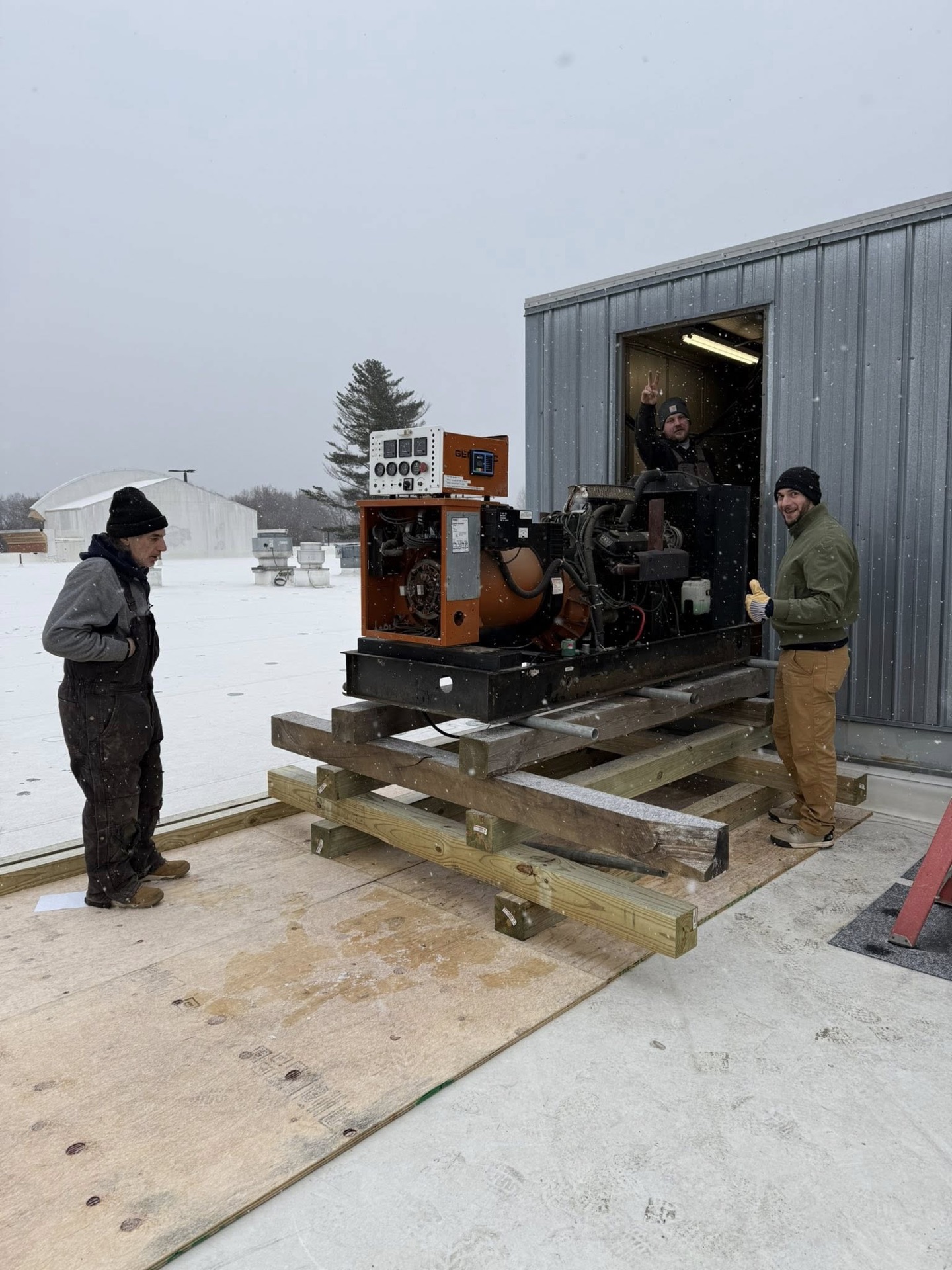
A commercial generator is two purchases. The first is the machine. The second, quieter one is an obligation: a schedule of testing and record-keeping that follows the machine for as long as it backs up the building. Owners who know about the second purchase up front budget for it and never think about it again. Owners who find out later usually find out from a fire inspector or an insurance auditor, which is the expensive way. Here is the plain-language version.
Two kinds of standby
The first question about any commercial generator is what it feeds. If it backs life-safety systems, egress lighting, fire alarms, fire pumps, elevators in some buildings, then it is an emergency power system in the eyes of the code, and NFPA 110 governs how it must be tested and documented. If it only carries business loads, the walk-in, the servers, the production line, the rules relax considerably.
The discipline should not. A generator protecting a quarter million dollars of refrigerated inventory deserves the same testing rhythm the code would demand if it were protecting an exit sign. We run both kinds on the same schedule for that reason.
The schedule itself
The shape of it is simple. Weekly, somebody looks at the machine: fluid levels, leaks, the battery charger, the fault panel. Most controllers run their own short self-test on this rhythm. Monthly, the generator runs under real building load for about half an hour, with transfer, so the whole chain proves itself the way an outage would exercise it. Annually, it gets a full service: fluids, filters, valves where applicable, battery load test, and a deeper inspection of the transfer equipment.
Every one of those events goes in a log. The log is the document your inspector, your insurer, and the next owner of the building will each ask for, and a machine with a complete one is worth more than the same machine without it. Our maintenance plans cover commercial units up to 1.5 MW.
Why load banks exist
One failure mode catches owners off guard: a generator that is too lightly loaded during its tests. A diesel that runs month after month at a small fraction of its rating never reaches full operating temperature, and it slowly varnishes itself with unburned fuel. The trade calls it wet stacking, and it means the monthly test can be quietly degrading the machine it is supposed to prove.
The fix is a load bank: a resistive load we connect during the annual test so the generator works against something close to its rating, burns itself clean, and proves it can produce nameplate power instead of idling convincingly. If your monthly runs cannot pull meaningful load, the load bank test is the one time all year the machine proves itself at its rating.
The transfer switch fails quietly
The generator is half the system. The automatic transfer switch is the other half, and it is the half that fails silently, because it does nothing at all until the moment everything depends on it. Exercising the switch, inspecting its contacts, and confirming its timers are part of every service visit we run on a commercial machine. A perfect generator behind a seized transfer switch is a very expensive lawn ornament.
Who does this around here
We maintain commercial and municipal machines across the county, including plenty we did not install, and the first thing we do on a takeover is read the controller’s fault history and start a proper log. If your building has a generator and nobody can say when it last ran under load, that is a call worth making this week. Some of the businesses that run with us are on our commercial partners page; for new construction or an upgrade, start with commercial installation.
Talk to a real person.
Same-day callbacks, family-owned since 1991. We will answer the question your house is actually asking.